
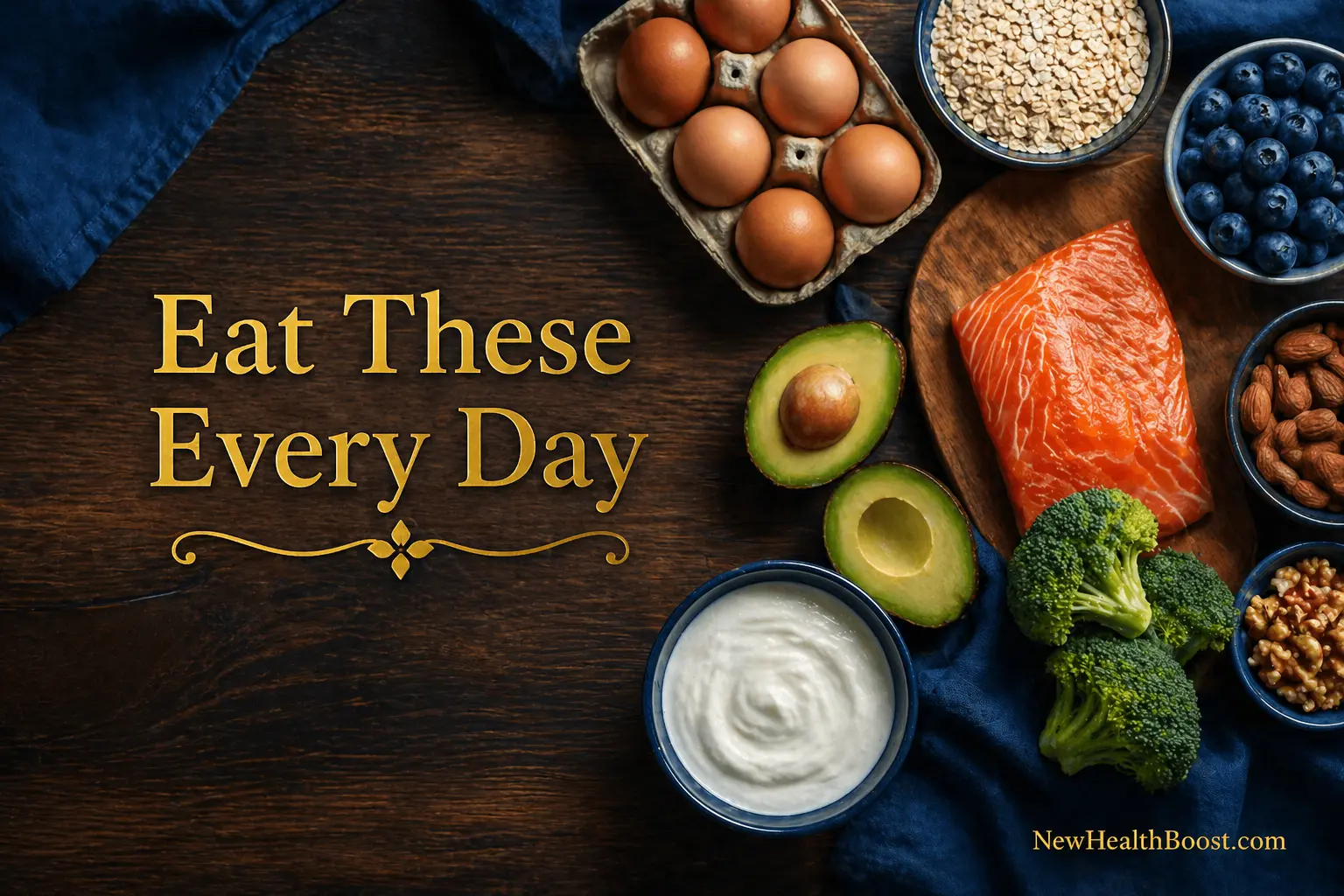
Knowing the best foods for weight loss and incorporating them into your daily routine is one of the most effective and sustainable strategies for burning fat without constant hunger or obsessive calorie counting. The right foods work with your body’s hormones and metabolism — keeping you fuller longer, preserving muscle, and making your overall diet easier to stick to every single day.
💡 Cluster context: This article focuses on the most effective fat-loss foods. For the complete strategy behind calorie deficits, macros, and exercise, visit our How to Lose Weight: The Complete Beginner’s Guide 2026. If you are eating well but still not seeing results, the causes may surprise you — read 10 Reasons You Are Not Losing Weight Despite Dieting.
Why Food Choice Matters Beyond Calories
Two people can eat the same number of calories but have completely different experiences — one feels satisfied and energized, the other feels hungry and sluggish within hours. The difference comes down to food quality, macronutrient composition, fiber content, and the hormonal response different foods trigger. Choosing foods with a high satiety index, strong protein content, and a low energy density makes losing weight dramatically easier than simply reducing portions of processed food.
The 12 Best Foods for Weight Loss
1. Eggs
Eggs are one of the most nutrient-dense, satisfying foods available at any price point. A large egg contains approximately 6 grams of complete protein and only 70 calories. Studies consistently show that eating eggs for breakfast reduces total calorie intake for the next 24–36 hours compared to a carbohydrate-heavy breakfast with the same calorie count. The yolk contains choline, which supports liver function and fat metabolism. Aim for one to three whole eggs daily, cooked without excessive added fat.
2. Greek Yogurt (Plain, Full-Fat or Low-Fat)
Plain Greek yogurt provides 15–20 grams of protein per 200g serving while also delivering gut-supporting probiotics. Its high protein content blunts ghrelin (the hunger hormone) effectively, making it an excellent breakfast or snack option. Choose plain, unsweetened varieties — flavored versions often contain as much sugar as a dessert, completely negating the benefit. Add berries and a teaspoon of chia seeds for a fat-loss-optimized meal under 300 calories.
3. Salmon and Fatty Fish
Salmon, sardines, mackerel, and herring are rich in omega-3 fatty acids — essential fats that reduce systemic inflammation, improve insulin sensitivity, and support fat oxidation. A 150g serving of salmon provides approximately 30 grams of high-quality protein and 1,800–2,000 mg of EPA and DHA combined. People who regularly consume fatty fish tend to have lower levels of cortisol and visceral abdominal fat. Aim for two to three servings per week minimum.
4. Chicken Breast
Lean chicken breast is arguably the most practical fat-loss food for most people — widely available, affordable, versatile, and extremely high in protein relative to calories. A 150g cooked chicken breast delivers approximately 46 grams of protein for around 230 calories. Its high thermic effect means your body burns roughly 20–30% of those calories simply digesting it. Batch cooking chicken at the start of the week removes the most common barrier to healthy eating: lack of preparation.
5. Lentils and Legumes
Lentils, black beans, chickpeas, and kidney beans offer a powerful combination of plant protein and soluble fiber. A 200g serving of cooked lentils provides 18 grams of protein, 16 grams of fiber, and only 230 calories. Soluble fiber forms a gel in the digestive tract that slows stomach emptying, stabilizes blood sugar, and dramatically extends the feeling of fullness. People who eat legumes regularly have lower BMI and smaller waist circumference on average than those who do not.
6. Oats
Rolled or steel-cut oats are among the highest-scoring foods on the Satiety Index. Their beta-glucan fiber content slows digestion, feeds beneficial gut bacteria, and blunts post-meal blood sugar spikes — preventing the energy crash and rebound hunger that comes from processed breakfast cereals. A 50g serving of dry oats provides 5 grams of protein, 4 grams of fiber, and around 185 calories. Prepare overnight oats with Greek yogurt and berries for a fat-loss breakfast that takes 5 minutes to assemble.
7. Broccoli and Cruciferous Vegetables
Broccoli, cauliflower, Brussels sprouts, and cabbage are extraordinarily low in calories while providing substantial volume, fiber, and micronutrients including sulforaphane — a compound that activates detoxification pathways and supports hormonal balance. A full 300g serving of broccoli contains only 100 calories. Eating cruciferous vegetables daily directly supports estrogen metabolism, which is relevant for fat storage patterns in both women and men. Steam or roast them — avoid heavy butter or oil-based sauces.
8. Avocado
Despite being calorie-dense, avocado has strong evidence supporting its role in fat loss when consumed in moderate portions. Its monounsaturated fats and high fiber content (roughly 10 grams per whole avocado) reduce LDL cholesterol, improve satiety signals, and support fat-soluble vitamin absorption. Research published in the Journal of Nutrition found that adults who ate half an avocado at lunch reported 40% less desire to eat in the following three hours. Stick to half an avocado per serving to maintain calorie control.
9. Berries (Blueberries, Strawberries, Raspberries)
Berries deliver antioxidants, vitamin C, and fiber with minimal calories — 100g of raspberries contains just 52 calories and 6.5 grams of fiber. Their low glycemic index means they cause minimal blood sugar spikes. Blueberries in particular contain anthocyanins linked to reduced visceral fat accumulation in multiple studies. Add berries to Greek yogurt, oatmeal, or protein smoothies for a sweet, satisfying element that actively supports fat loss rather than hindering it.
10. Leafy Greens (Spinach, Kale, Arugula)
Leafy greens are essentially a free food for anyone trying to lose weight — they provide enormous volume, micronutrients (magnesium, folate, vitamin K), and very few calories. A large 100g serving of raw spinach contains only 23 calories. Adding a large salad before a main meal consistently reduces total calorie intake at that meal by 10–15% according to multiple clinical trials. The key is using a light dressing — 30ml of olive oil adds around 250 calories, which can negate the benefit.
11. Cottage Cheese
Cottage cheese is one of the most underrated high-protein, low-calorie foods available. A 200g serving provides approximately 24 grams of casein protein — the slow-digesting form that keeps you full for hours and is particularly effective at preventing muscle breakdown overnight. Its high calcium content also appears to support fat metabolism. Use cottage cheese as a base for savory bowls, mix it into smoothies, or eat it with fruit as a late-evening snack to support overnight recovery and satiety.
12. Green Tea
While not technically a food, green tea deserves a place on this list. Its combination of caffeine and EGCG (epigallocatechin gallate) has been shown to modestly but consistently increase fat oxidation — by approximately 3–4% during rest and up to 17% during exercise, according to a meta-analysis in the International Journal of Obesity. Two to three cups daily provides meaningful metabolic support without the stress response associated with excessive caffeine intake. Unsweetened green tea also contributes to daily hydration targets.
How to Build Your Daily Meals Around These Foods
Knowing which foods are best is only half the battle — the other half is knowing how to combine them into practical, repeatable daily meals without it feeling like a chore.
| Meal | Example Combination | Approx. Calories | Protein |
|---|---|---|---|
| Breakfast | Oats + Greek yogurt + blueberries + chia seeds | ~380 kcal | ~24g |
| Lunch | Grilled chicken breast + large spinach salad + half avocado + lemon dressing | ~450 kcal | ~48g |
| Snack | Cottage cheese + raspberries | ~200 kcal | ~25g |
| Dinner | Baked salmon + steamed broccoli + lentils | ~520 kcal | ~48g |
| Total | Full day of fat-loss optimized eating | ~1,550 kcal | ~145g |
Foods to Limit or Replace
Adding the 12 foods above works best when you simultaneously reduce the foods that work against fat loss — ultra-processed snacks, sugary drinks, refined carbohydrates with no fiber, and alcohol. You do not need to eliminate these entirely, but reducing them creates the caloric space your new healthy choices need to drive a consistent deficit.
| Replace This | With This | Calorie Saving |
|---|---|---|
| Flavored yogurt (200g) | Plain Greek yogurt + berries | ~90–120 kcal saved |
| Sugary breakfast cereal | Oats with fruit | ~150–200 kcal saved |
| Chips (50g bag) | Cottage cheese with vegetables | ~150–200 kcal saved |
| Sweetened coffee drink | Green tea or black coffee | ~200–400 kcal saved |
| White bread sandwich | Chicken salad with leafy greens | ~200–250 kcal saved |
FAQ
Can I eat these foods every day without getting bored?
Yes — the key is varying how you prepare them rather than what you eat. Eggs can be scrambled, poached, boiled, or made into an omelette with different vegetables each time. Chicken can be grilled, baked, stir-fried, or shredded in salads. Rotating preparation methods, spices, and sauces keeps meals interesting while maintaining the same core ingredients. Many highly successful weight loss maintainers eat a fairly repetitive diet with variety in flavor, not in food categories.
Are these foods suitable for vegetarians and vegans?
Most plant-based versions are included on this list — lentils, oats, broccoli, leafy greens, berries, avocado, and green tea are all plant-based. Vegetarians can also include eggs, Greek yogurt, and cottage cheese. For vegans, the animal protein sources can be replaced with higher quantities of lentils, chickpeas, tofu, tempeh, and edamame, though achieving the same protein targets may require more meal planning. A plant-based protein powder can help fill gaps without adding many calories.
How quickly will I lose weight eating these foods?
Eating these foods will not produce weight loss on its own — you still need to be in a calorie deficit. However, incorporating them makes staying in a deficit far easier because they are all highly satiating, nutrient-dense, and metabolically supportive. Most people who shift their diet toward these foods naturally reduce their calorie intake by 300–500 calories per day without strict counting, simply because they feel fuller and experience fewer cravings. For a full framework of how fast you should aim to lose weight, read our How to Lose Weight: The Complete Beginner’s Guide 2026.
Is it okay to eat the same breakfast every day for weight loss?
Absolutely — in fact, research on successful long-term weight loss maintainers consistently shows that dietary consistency, especially at breakfast, is a strong predictor of success. Eating the same high-protein, high-fiber breakfast each morning removes decision fatigue, reduces the chance of making impulsive poor choices, and helps regulate hunger hormones more predictably throughout the day. Oats with Greek yogurt and berries is one of the best daily breakfast combinations backed by evidence.

⚠️ Disclaimer: This article is for informational purposes only and is not a substitute for professional medical or nutritional advice. Weight loss results vary between individuals. Consult your doctor or a registered dietitian before starting any new diet or weight loss program, especially if you have an underlying health condition.